Are Black Men in Hip-Hop Finally Coming Out With Disabilities In a Positive Way?
As a Black disabled poet and founder of Krip-Hop Nation, I started to break down Slick Rick’s 2025 spoken word track, I Did That, from a Black disability perspective in a short video first then a long written ongoing piece. This kind of breakdown needs to be in both Disability Studies and Hip-Hop Studies!
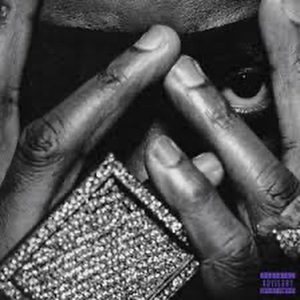 In 2025 are we finally seeing well known Black men in Hip-Hop not only coming out with their disabilities but putting it on wax? The latest example is the new album by Slick Rick on his spoken word track, “I Did That” with the line, “I flipped being blind into a luxury brand..”
We can go back to Bushwick Bill who always brought up his disability like on a song, Size Ain’t Shit (1989) Still today there is a lack of public space for men and disabled men to come out and speak their minds especially dealing with mental health disabilities inside and outside of Hip-Hop one reason could be that only recently men are speaking on it like the Ghetto Boys’ 1991 smash hit, Mind Playing Tricks on Me but beyond the song we can look on how the late Bushwick Bill used his disability as a small person and one of the only physically disabled Hip-Hop artists that made it to a high level of mainstream music industry and was outspoken about his disability beyond the song, Size Ain’t Shit, his 1991 song, and We Can’t Be Stopped where on the album cover Bushwick Bill is on a hospital bed being pushed by his bandmates. We can’t forget about the 1994 track from Rob Quest of the Odd Squad entitled, I Can’t See It knowing that Rob Quest is one of the first well known blind Hip-Hop artists who came out in 1994.
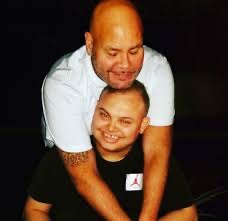
 As a Black disabled man, I am looking at a few Black men in Hip-Hop who are/were dealing with disabilities some are new to disability like how Hip-Hop has open up to mental health, depression to fathers like Fat Joe being public about his autistic son to artists who are open about their disability and rap about it in their songs and music videos. Of course I can’t cover all of them but some artists caught my attention and two that I had an opportunity to interview many times, DMC of Run DMC, MF Grimm and Rob DA Noize Temple of the Sugarhill Gang.
 To keep on this path of men Hip-Hop artists who made their disability as their nickname I have to mention Phife Dawg who had diabetes so he came up with the stage name the Funky Diabetic going back to the tradition of blind Blues artists.
When Bushwick passed away Krip-Hop wrote this letter.When I found out that a disabled academic scholar, Charles Hughes, wrote a book about Bushwick Bill entitled, Why Bushwick Bill Matters (Music Matters) 2021 I interviewed him, here is the YouTube link
https://youtu.be/-b9de4YFUMg?feature=shared
What makes Bushwick Bill stand out from our newly Krip-Hop ancestors is we came so close to making contact and you actually wrote back! We were so close! Now that you are gone and Hip-Hop turned fifty in 2023, we wonder if Hip-Hop elders will be comfortable not only talking but embracing their aging that brings disabilities. With all of the above, Krip-Hop Nation wants to thank you for all of your bold disability lyrics, pride, sometimes freaky representation and reality story telling as a Black disabled man.
UNTIL WE MEET
R.I.P. Bushwick Bill
A missed opportunity to get Krip-Hop Nation’s education to artists that we were in contact with like Bushwick Bill to do a track with us but it never happened compared to when we reached out to MF Grimm and DMC to not only successfully to be interviewed and collaborated with but Krip-Hop Nation’s education has changed their mindset on disability. DMC has always been open about his depression and told me in an interview that he wrote his comic book, DMC (2014) and his memoir, Ten Ways Not to Commit Suicide: A Memoir (2017) both to talk more openly his disability, depression to spread awareness.
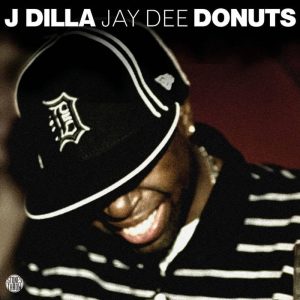
We wonder about the opportunity of Krip-Hop Nation’s education and our disability artistic expression would have had on Dilla, Prodigy and Phife Dawg. Bushwick Bill please tell Dilla, Prodigy and Phife Dawg we call them our Krip-Hop ancestors although we never worked together and had different ways of viewing disability.
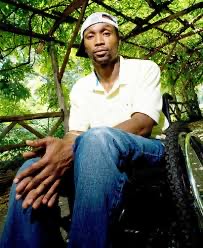 Also Prodigy with his song, You’ll Never Feel My Pain rapping about having sickle cell, that came out in 2000. In 2003 rapper, Brother Ali who rapped about being albino who is blind on the track, Forest Whitiker. One of my favorites, Pharoahe Monch’s Still Standing where he raps about being a boy with Asthma ends with him in the recording booth having an asthma attack that came out in 2011. The one that really brought me to tears because it was not only paying respect to the late J. Dilla For me it was a coming out song of their two health disabilities, I’m talking about Dear Dilla by the late Phife Dawg and another Hip-Hop artist who is open with his disability and did a music video about growing up with asthma is rapper Pharoahe Monch,2011 song, Still Standing. In XXL February 12th/2012, Pharoahe Monch Discusses Chronic Asthma, New “Still Standing” Video explains the video. These songs and videos can be a class in Disability and Hip-Hop Studies.
https://www.xxlmag.com/pharoahe-monch-discusses-chronic-asthma-new-still-standing-video/?utm_source=tsmclip&utm_medium=referral
Monch has made a whole album entitled PTSD: Post traumatic stress 2014. Look at Mikko O. Koivisto’s academic article, (Live!) The Post-traumatic Futurities of Black Debility that appeared in Disability Studies Quarterly Vol. 39 No. 3 (2019): Summer 2019. These connections must continue to be made and written about again in Pharaoh Monch’s music video, Still Standing where he deals with asthma as a young boy and now as a man.
Video here: Pharoahe Monch “Still Standing” feat. Jill Scott (Music Video)
From Krip-Hop Nation’s viewpoint, Phife Dawg’s 2014 song, Dear Dilla needs to be looked at under the disability and Hip-Hop microscope. Krip-Hop Nation wrote about this video like this:
Phife – Dear Dilla
Phife Dawg’s Dear Dilla, Black Men, Disability in Hip-Hop
I can’t believe that 2024 marked ten years of the single and video of Phife Dawg’s Dear Dilla. In 2023 both are in heaven due to their health disabilities. The music video should be studied in Disability Studies thus it should create new writings, classes and discussions in Hip-Hop! However once again this opportunity was never fulfilled! Is this another example of Disability Studies being too White?
The disability angle was all over the music video of Phife Dawg’s Dear Dilla as it opens up in the hospital showing Phife Dawg recovering from diabetes while rapping to Dilla who was on the other side of curtain recovering from Thrombotic thrombocytopenic purpura ( a rare blood disease, and lupus). Like Frida Kahlo, Dilla is doing his art aka making beats on his MP in bed but comes to find out when he pulls back the hospital curtains he finds out that he just thought of Dilla because as the viewer knows that this song and video was a tribute to Dilla.
The video goes on dealing with Phife Dawg dealing with him trying to correcting his his eating habits cutting out sugar and while he is backstage he remembers Dilla’s wheelchair because one of Dilla’s last live performance when he was a wheelchair user in a middle of a diabetes flare with syringes falling to the floor.
Dear Dilla, the music video is one of a kind, especially coming a Black male perspective in Hip-Hop that you don’t see a lot. The music video is tender and also making a statement of Black men’s health especially in the music industry. Phife Dawg not only shows us how he is trying to change diet but also raps about the stress of touring that can cause a flare combination of a lack of healthy food choices on the road. You see Phife talking to his doctor too in the video once again putting out a message that you don’t see in Hip-Hop as responsible Black men taking care of their health.
What hunts me was Phife’s lyrics, “Hold tight, this ain’t the last time I see you Due time, that’s my word, I’ma see you…” Did Phife Dawg know that he will be next to Dilla. He did this song and video in 2014 and passed away in 2016 only two years later. Krip-Hop Nation views the video of the song Dear Dilla as one of many teachable connections between Hip-Hop and disability.
This recent frame of disability from Black men in Hip-Hop is a different frame from the usually hyper masculinity and over proving their manhood almost trying to do the impossible, erasing disability. The examples that I mentioned above is coming to awareness and learning from their identity aka disability showing living with their disability plus we also have to notice the artists I mentioned above are/were in their thirties and forties thus all had a chance to grow older with their disability. This is one measure of growth of different ways where disability has changed and shows up in Hip-Hop. Recently even non-disabled Hip-Hop artist from Berkeley, CA Lil B who in 2023 put out a whole album with a positive disability theme on his album, Winged Wheelchair Squad.
Now in 2025 we have Slick Rick’s new album, Victory, that not only has a spoken word track, I Did That but also has a twenty-nine minute movie where Slick Rick and a lot of people appear with that one eye wearing the bling bling eye patch.
 Slick Rick – “VICTORY” (The Film)
So we are finally seeing some Black men coming out in Hip-Hop about their disability but we still see Hip-Hop parents using charity to talk about disability and their disabled child. I wrote about this entitled Hip-Hop Parents & Their Disabled Children: Charity or Activism? https://kriphopinstitute.com/parents-and-their-disabled-children/
On the flip side has Hip-Hop learn a bad habit from Hollywood of having non-disabled Hip-Hop using disability, we must ask why has it been easier for well known non disabled Hip-Hop artist to use disability in their songs compare to a real Hip-Hop artist with a disability coming up in Hip-Hop?
This short essay needs to be not only expanded but should be in Hip-Hop and Disability Studies. Krip-Hop Nation continues to lead the way, stay tuned!
Hip-Hop and Disability Studies welcome to Krip-Hop Nation!