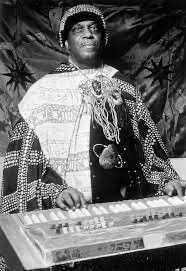
Come to find out that two Black musicians that had physical disabilities can be related to early thinking of Afrofuturism and even one them can be called the father of Afrofuturism,
I’m talking about:
Sun Ra is widely considered the pioneer and father of Afrofuturism, a cultural movement he conceptualized in the 1950s, using science fiction, space travel, ancient Egypt, and elaborate performances to envision a liberated, utopian future for African Americans, blending Black Nationalism, esoteric spirituality, and avant-garde jazz.
Yes, Sun Ra experienced significant physical health issues, including chronic circulatory problems and strokes, which eventually forced him to retire in 1992, and he also dealt with cryptorchidism as a youth, which influenced his reclusive nature, but he’d been denied a WWII medical exemption, highlighting his complex relationship with official disability recognition.
As a teenager, he suffered from cryptorchidism (un-descended testicle), causing pain and contributing to his feelings of isolation and shame, leading him to music and esoteric studies.
Later Life Illnesses: In the 1990s, he suffered strokes, which progressively limited his mobility, requiring him to use a wheelchair for performances and eventually leading to his retirement in 1992.
Disability & Identity:
While Sun Ra was deeply affected by physical conditions, his “disability” was often intertwined with his otherworldly persona and spiritual beliefs, rather than being solely a medical classification. His experiences, including his draft deferral and later infirmities, shaped his unique worldview, which emphasized cosmic journeys and a detachment from conventional reality.
And:
While Rahsaan Roland Kirk wasn’t explicitly labeled Afrofuturist in his time (the term emerged later), his work, especially his political activism and fusion of Black music history with future-focused ideas, aligns strongly with Afrofuturist principles of imagination, liberation, and cultural reclamation, making him a proto-Afrofuturist figure, similar to contemporaries like Sun Ra. He championed “Black Classical Music,” fought for Black artists’ visibility, and used his music to blend past, present, and future, embodying the spirit of Afrofuturism before it was a formal movement.
Although he wasn’t explicitly labeled Afrofuturist in his time (the term emerged later), his work, especially his political activism and fusion of Black music history with future-focused ideas, aligns strongly with Afrofuturist principles of imagination, liberation, and cultural reclamation, making him a proto-Afrofuturist figure, similar to contemporaries like Sun Ra. He championed “Black Classical Music,” fought for Black artists’ visibility, and used his music to blend past, present, and future, embodying the spirit of Afrofuturism before it was a formal movement.
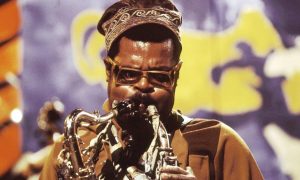
Why He’s Afrofuturist
* Future in the Present: Kirk showed that Black culture and Black bodies, even those deemed “disabled” or “other,” could create powerful, futuristic realities and demand liberation now, not later, through radical artistic expression and political force.
Key Connections to Afrofuturism:
Cultural Reclamation: Kirk’s Jazz and People’s Movement (J&PM) sought to restore cultural understanding and fight erasure of Black art, a core Afrofuturist goal.
Blending Eras: He integrated historical Black music with contemporary sounds, demanding recognition for its foundational role, linking past traditions to future innovation.
Future & Liberation Themes: His music and activism addressed liberation, challenging media control, and advocating for Black economic and cultural freedom, echoing Afrofuturist ideals.
Spiritual & Cosmic Elements: Like Sun Ra, Kirk’s work often had spiritual undertones, hinting at metaphysical flight and freedom, a common Afrofuturist theme.
Precursor to the Movement: Many consider him part of the cultural milieu that birthed Afrofuturism, alongside artists like Sun Ra and the Art Ensemble of Chicago, who shared similar artistic and political visions.
In essence, Kirk was a pioneer whose artistic and political consciousness laid groundwork for Afrofuturism, even if the label wasn’t applied until later.
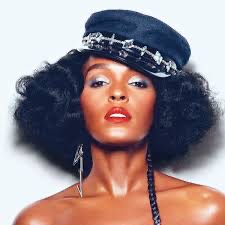 Today we have artists like Janelle Monáe: Fuses funk, soul, R&B with android themes, exploring Blackness, queerness, and identity in futuristic narratives (e.g., Metropolis albums). Although they have not publicly stated they is disabled, they have publicly confirmed they are non-binary (using they/them pronouns) and have discussed their mental health, including self-diagnosing with OCD and seeking support for anxiety.
Yes, Janelle Monáe is a prominent figure in Afrofuturism, a cultural aesthetic and philosophy exploring Black identity, technology, and liberation through sci-fi, fantasy, and historical elements, evident in her concept albums like The Archandroid and Dirty Computer, her alter ego Cindi Mayweather, and themes of queer futures and anti-oppression in her music, videos, and literature. She uses this genre to build worlds where Black people define their own futures, challenging stereotypes and celebrating unique identities, making her a key pioneer in contemporary Afrofuturism.
Key Aspects of Monáe’s Afrofuturism:
● World-Building: Her work creates detailed, dystopian, or utopian worlds (like the world of Dirty Computer) featuring androids, surveillance states, and rebellion, as seen in her music and the Memory Librarian book.
● Identity & Liberation: She explores themes of sexuality, gender, and race, giving voice to marginalized experiences and imagining futures free from oppressive labels, a core tenet of Afrofuturism.
● Alter Egos: Her iconic android persona, Cindi Mayweather, embodies the Afrofuturist idea of transcending human limitations and societal norms.
● Musical & Visual Style: Monáe blends genres like sci-fi, funk, soul, and rock to create unique soundscapes and visuals that reflect Afrofuturist ideals.
● Community Focus: Her Afrofuturist vision is deeply rooted in building community and creating spaces where people (especially Black queer individuals) feel seen and accepted.
Key Themes & Disability Connection:
● Societal Othering: The “disability” is a societal label for difference, akin to physical or mental conditions that make people feel defective, but in Dirty Computer, these “bugs” are valuable attributes.
● Afrofuturism & Black Feminism: The project deconstructs the human/machine idea, using Black feminist traditions to center marginalized bodies as sites of resistance and authenticity, according to academic sources.
● Love & Freedom: The narrative follows the android Jane 57821’s journey to break free and reclaim her true self and love (specifically a lesbian relationship with Tessa Thompson’s character), celebrating individuality.
In essence, Dirty Computer is a powerful artistic statement about self-acceptance and liberation for anyone made to feel “dirty” or “broken” by society, using technology and sci-fi to explore real-world struggles for identity and belonging.
Afrofuturism is a cultural aesthetic and philosophy blending African diaspora culture with science fiction, technology, and fantasy to explore Black identity, history, and future, envisioning liberated possibilities by reimagining the past and present through speculative fiction, art, music, and literature. It uses futuristic elements to address themes of race, power, and liberation, offering Black people agency and a sense of belonging in imagined futures, moving beyond narratives where they’re absent or oppressed.
For more articles on the topic go to:
“There Are [Disabled] Black People in the Future”:1
Afrofuturism & Disability Law
TINESHA C. ZANDAMELA*
“The Body to Come: Afrofuturist Posthumanism and Disability”
BY ZAYNAB SHAHAR IN UNCANNY MAGAZINE ISSUE TWENTY-FOUR
Compiled by Leroy F. Moore
12/29/25