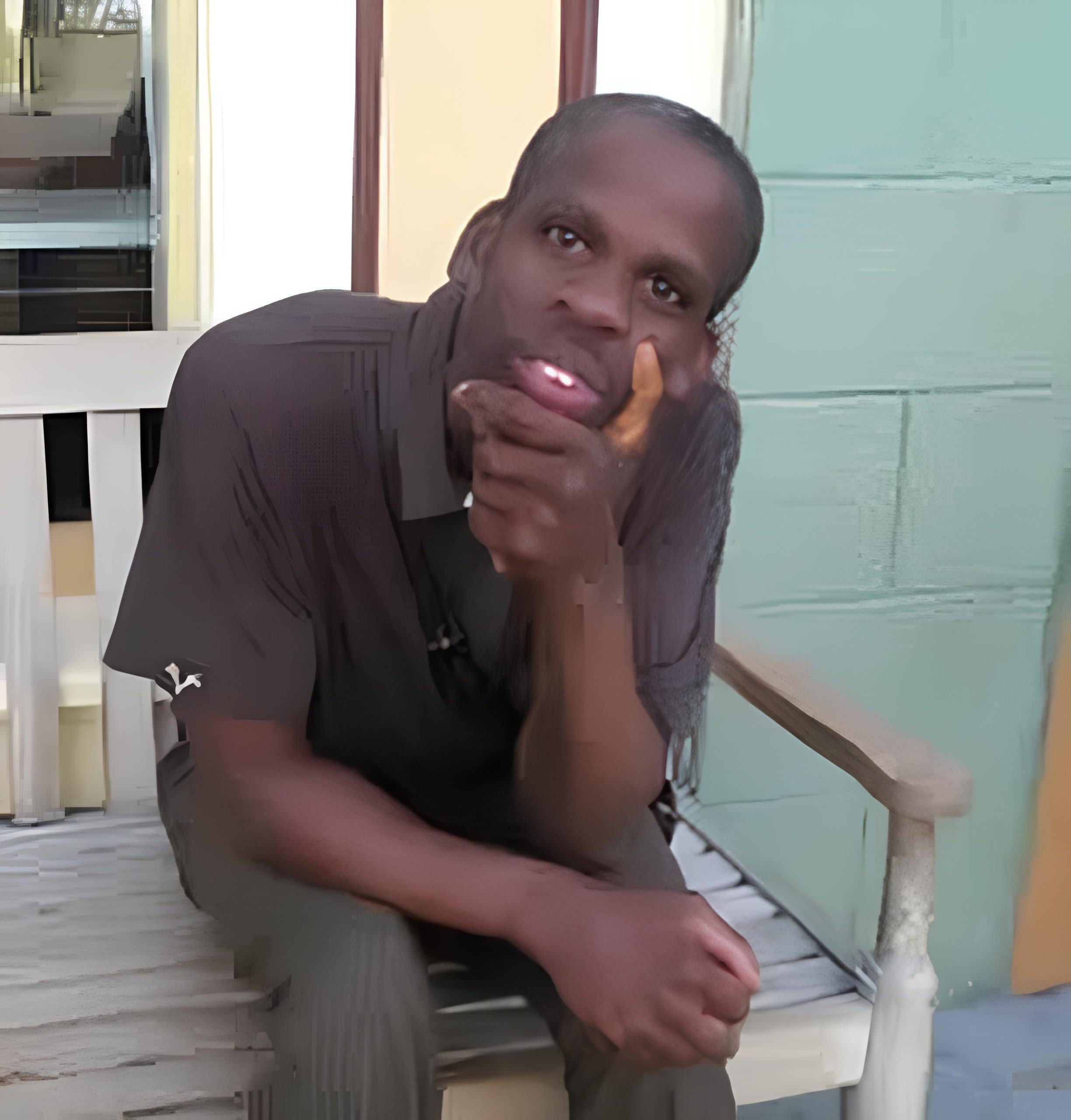
Disability-Centered Black Liberation Under Krip-Hop Theory
Within Krip-Hop Theory, Disability-Centered Black Liberation is the understanding that Black liberation cannot be achieved unless the lives, leadership, knowledge, and cultural production of Black disabled people are placed at the center of the struggle, not treated as an afterthought, a special-interest issue, or an act of inclusion. It argues that disability is not peripheral to Black history; it has always been woven into the experiences of slavery, colonialism, policing, poverty, environmental racism, incarceration, and resistance.
Krip-Hop Theory rejects the idea that disability should simply be “added” to existing Black political frameworks. Instead, it contends that disability fundamentally reshapes how we understand race, state violence, education, culture, and freedom. A movement that ignores disabled Black people ultimately reproduces ableism, even while fighting.
Beyond Inclusion
Disability-Centered Black Liberation is not about representation alone. It is about transforming the foundation of Black liberation politics.
Historically, Black freedom movements have often celebrated physical strength, productivity, masculinity, and endurance while overlooking those whose bodies and minds have been disabled by racial capitalism, colonialism, environmental injustice, prisons, policing, war, and inadequate healthcare. Krip-Hop Theory challenges these assumptions by asking a fundamental question:
What if Black disabled people are not exceptions to Black history, but one of its defining realities?
From this perspective, disability becomes a political lens through which to reinterpret Black history and imagine new futures.
A Decolonial Understanding of Disability
Krip-Hop Theory argues that disability cannot be separated from colonialism.
Colonial powers labeled African bodies as defective, inferior, and disposable. Enslavement, forced labor, segregation, police violence, incarceration, toxic environments, and unequal healthcare have produced disability across generations. Disability, therefore, is not simply an individual medical condition but also a consequence of systemic oppression.
This analysis extends the work of thinkers like Frantz Fanon by showing that colonization attacks both the body and the mind. Disability-Centered Black Liberation therefore seeks not only political freedom but also the decolonization of Black understandings of disability itself.
From Black Consciousness to Afro-Krip Consciousness
Within Krip-Hop Theory, Disability-Centered Black Liberation develops into what I have described as Afro-Krip Consciousness.
Afro-Krip Consciousness rejects internalized ableism within Black communities while also rejecting racism within mainstream disability spaces. It encourages Black disabled people to embrace disability as a political identity connected to Black resistance rather than viewing it solely through medical or charitable frameworks.
This consciousness asks Black communities to rethink common assumptions about independence, productivity, leadership, masculinity, femininity, and success. Liberation becomes measured not by how closely Black people approximate able-bodied norms, but by how fully every Black life is valued.
Reclaiming Black Disabled Knowledge
A central principle of Disability-Centered Black Liberation is that Black disabled people are producers of theory not merely subjects of research.
Krip-Hop Nation has long demonstrated that scholarship can emerge through rap lyrics, spoken word, radio, workshops, community organizing, oral histories, and street culture. This is what can be understood as Krip Knowledge Production: revolutionary knowledge created by disabled people in marginalized spaces, outside traditional academic institutions.
Rather than treating universities as the sole source of legitimate knowledge, Krip-Hop Theory recognizes prisons, neighborhoods, performance spaces, community organizations, and Hip-Hop culture as sites of intellectual production.
Education and the School-to-Prison Pipeline
Disability-Centered Black Liberation also reinterprets education.
Krip-Hop Theory argues that many schools function as systems of educational incarceration, where Black disabled students are disproportionately surveilled, criminalized, segregated, suspended, and pushed toward juvenile and adult prisons.
Special education, while often necessary as a support, can also become a mechanism of racialized control when students are mislabeled, overdisciplined, or denied culturally sustaining education. Disability-Centered Black Liberation therefore demands educational systems grounded in accessibility, cultural relevance, disability justice, and self-determination rather than punishment and exclusion.
Culture as Liberation
Hip-Hop occupies a unique place within Disability-Centered Black Liberation.
Krip-Hop Nation insists that music, poetry, graffiti, dance, storytelling, and performance are forms of political education. Disabled artists transform lived experiences of pain, survival, joy, and resistance into cultural knowledge.
Art is therefore not entertainment alone, it is a strategy of liberation.
Krip-Hop artists reclaim words like “Krip,” challenge stereotypes about disability, expose state violence, and imagine futures where Black disabled people are recognized as leaders, creators, and intellectuals.
Building a Black Krip Radical Tradition
Disability-Centered Black Liberation also expands the Black Radical Tradition by insisting that Black disabled resistance has always existed, even when historical narratives ignored it.
This perspective recognizes disabled organizers, artists, prisoners, educators, parents, and community leaders as central actors in Black liberation history. Rather than adding disability to the margins of existing scholarship, Krip-Hop Theory reconstructs Black radical history through the experiences of disabled Black people.
Toward Collective Freedom
Ultimately, Disability-Centered Black Liberation argues that no Black liberation movement can claim to seek freedom while leaving disabled Black people behind. Accessibility is not merely a technical accommodation; it is a revolutionary practice. Care is not charity; it is political solidarity. Interdependence is not weakness; it is a model for collective survival.
From a Krip-Hop perspective, Black liberation succeeds only when Black disabled people are recognized as theorists, cultural workers, educators, and movement builders whose experiences reshape our understanding of freedom itself. Disability is therefore not an appendix to Black liberation—it is one of its foundations. Through Disability-Centered Black Liberation, Krip-Hop Theory calls for a world in which Black freedom is measured not by the liberation of the strongest or most privileged, but by the liberation of those whom society has most often rendered invisible.